About
I build products with an eye for design. I follow ideas until they work.
The story has five parts. They all start the same way: I imagine something, then try to make it real before anyone has a name for it.
01 · The Eye
I rediscovered a part of myself I didn't know I missed.
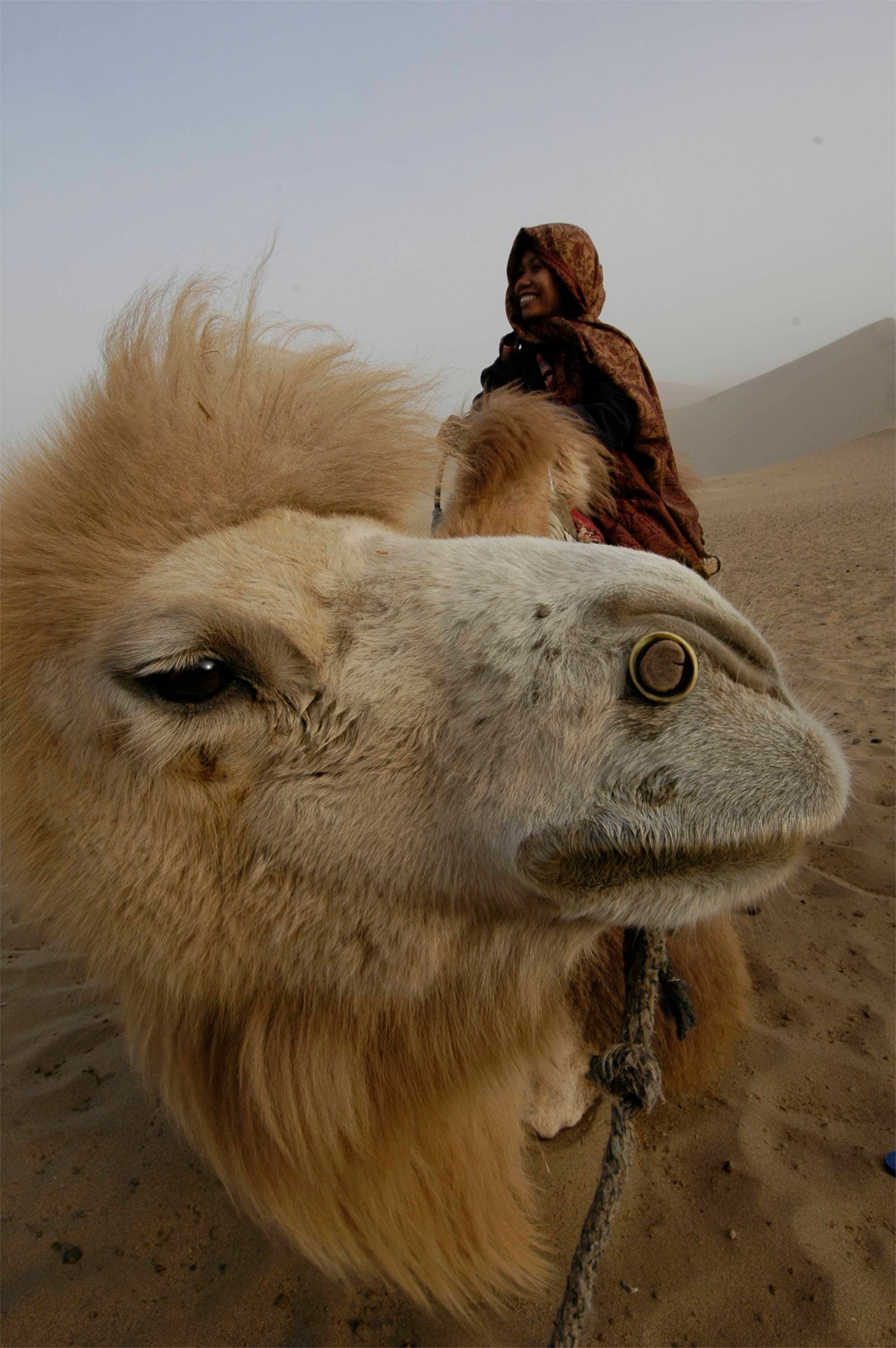
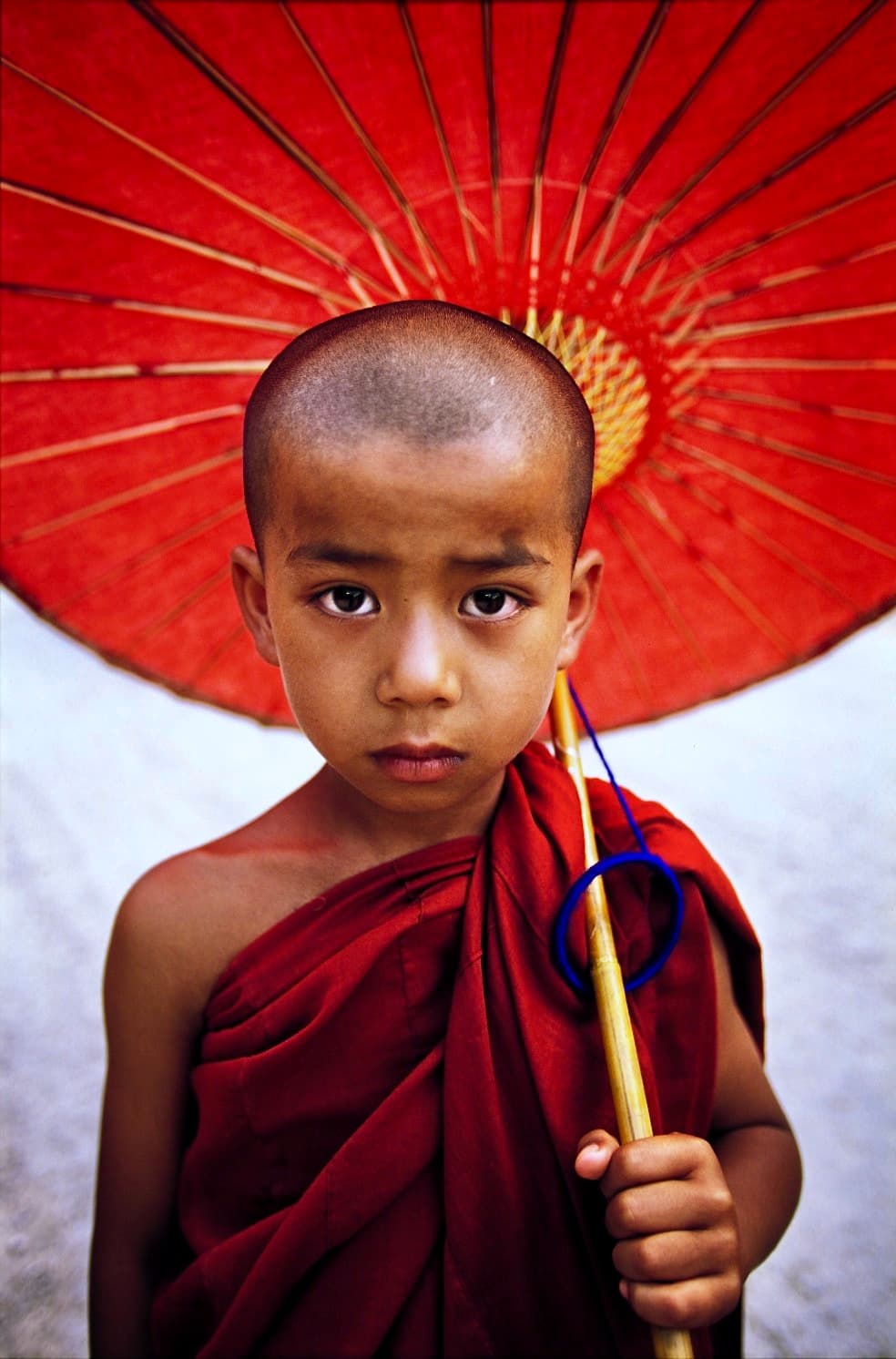
I was the kid who drew in school, then the kid with the camera. The first time I picked one up, I felt as if I had found something I'd been missing without knowing it. I studied at the Photo Academy in Amsterdam, shot professionally on the side, and won a prize or two.
Photography taught me more than a skill. It taught me taste: the instinct for when something works and when it does not. It is the point where function, composition, beauty, and simplicity meet. You learn to see what is there, what it has, and what it still needs. A tutorial cannot teach taste. It builds through hours of looking, composing, and being honest about the difference between something that is almost right and something that is right.
That is what I bring to every product I build. I look for the visual before I reach for the words. I make a mockup before I write a spec, and a working prototype before I schedule a meeting. One frame can say what a page of requirements cannot.

02 · The Calling
I was building voice interfaces before anyone called them voice agents.
In the early 2000s, I built a prototype of a GUI you could talk to. It used a voice markup language that almost nobody remembers now. There was no voice agent category and no market waiting for one. I built it because I could see the possibility and wanted to know if I could make it work.
Money was never the point. I liked the jump from zero to one, when an idea leaves your head and starts changing what someone can do.
I was a product manager before that became a common job title. I was building multi-agent systems before LangGraph, AutoGen, or Crew existed because I needed agents to run in parallel and get results to people faster. I also wanted to see if it was possible. That history explains how I work: I follow an idea first and work out the map as I go.
“I was looking for possibilities that would make what I imagined possible. Innovation was never the goal. It was a side effect.”
03 · The Orchestra
I can play every part. I still want the full orchestra.
I've co-founded companies, helped grow a product to seven million users, and spent twenty years working alongside people in every part of a company. I think they trusted me because I had done enough of their work to understand the pressure, even when I was not the expert in the room.
I've done their work, though never as well as the people who do it every day. That has been enough to make me a useful partner. I can sit with an engineer and understand the tradeoff, then walk into a sales conversation and understand what is at stake. The conversation changes when you are helping solve the problem instead of handing someone a request.
I burned out once. It was serious, and it changed how I work. I need room to think and enough ownership to follow a problem through. That is when I do my best work.
My kryptonite is people who cling to the status quo as if their life depends on it. With almost everyone else, I can usually find a way to work together.
“I will never be the best engineer or the best designer. I know enough about their work to be useful, and they have always respected that.”
04 · The AI Moment
When the tools finally caught up with the ideas.
When the early ChatGPT API appeared, I did not read about it first. I started building. That is how I understand new technology: I get as close to the raw thing as I can before the tutorials and polished tools arrive. I need to find out what it can do and where it fails. Then I can tell which ideas are suddenly practical.
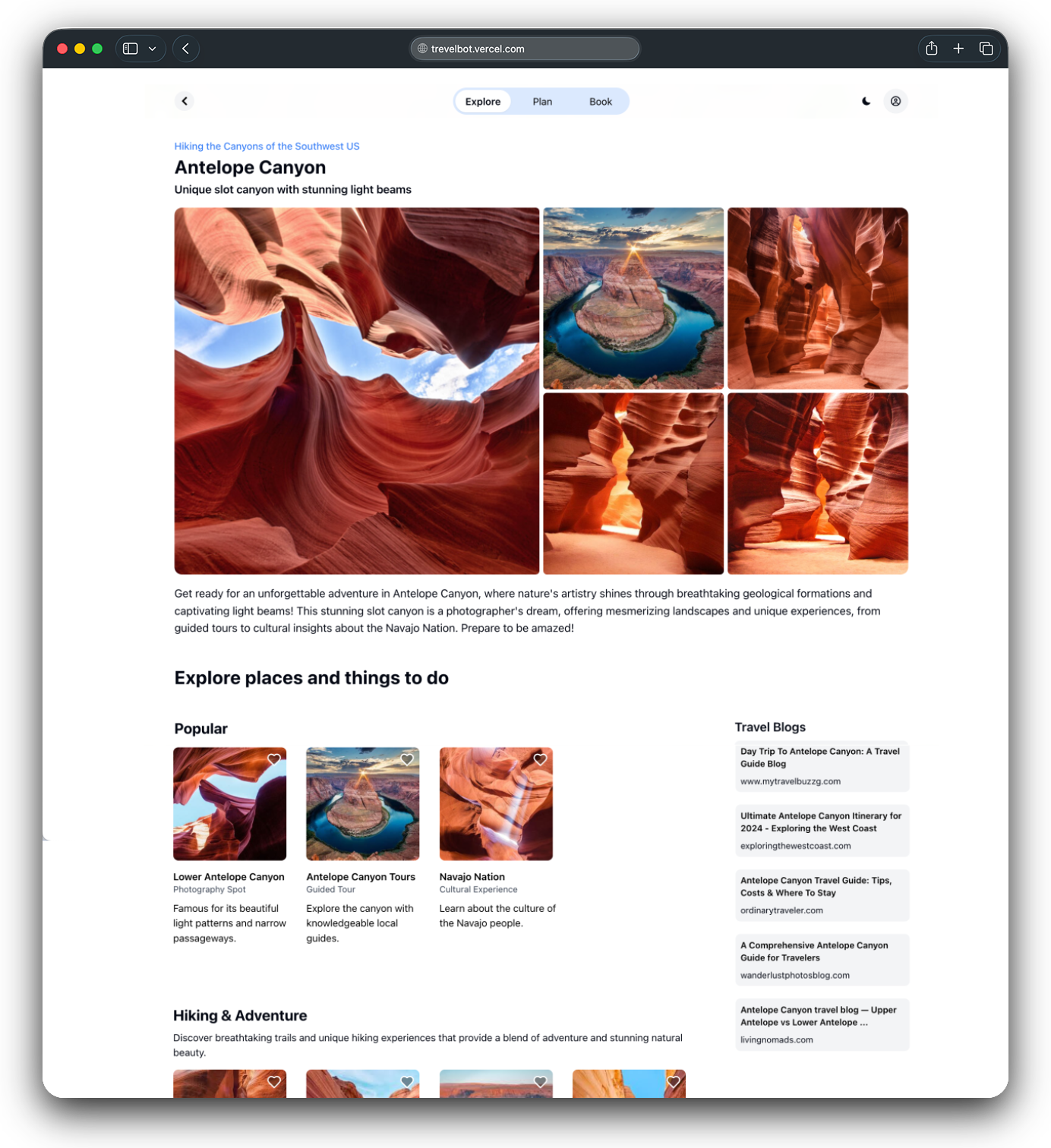
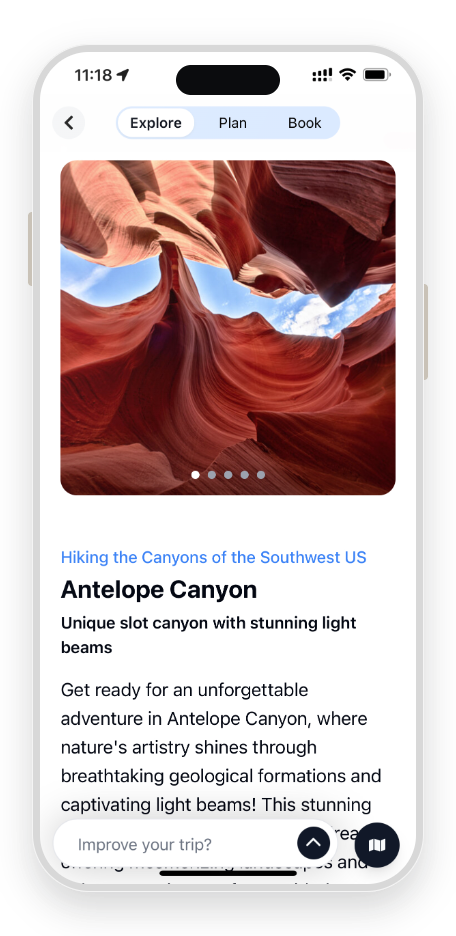
One of those ideas was a different kind of travel interface. Booking a trip through dropdowns and filter panels felt dated when people could describe exactly what they wanted in plain language and an agent swarm could work through the details. I built TravelBot as a travel guide that adapts as the conversation continues, not a chatbot that waits for the next prompt. Booking.com started to look pretty crude by comparison.
The coding tools that followed changed the distance between an idea and a working product. For twenty years, I depended on engineers to build what I could see in my head. Now I can take more of that work on myself. I will never be the best engineer, but I can build a much more complete product than I could before.
I still do not want to work alone. I would rather be part of an orchestra. It helps to know I can pick up another instrument when the work needs it.

05 · The Life
Amsterdam, Laos, California. We did not plan the route, but we chose it.
I grew up in the Netherlands. By the time the startup years began, I had master's degrees in business administration and business law. Most of my career happened in Amsterdam's startup scene. It was scrappy and international, and it taught me to be practical.
In 2017, with three young kids and a long list of places we had not seen, my wife and I decided to travel and keep working online. We eventually lived in Laos for four years, including the COVID years. That part was harder than the brochure version.
We moved to California in 2021. Our kids speak three languages, and our family has spent time on four continents. We did not plan any of it. We kept choosing the next place that felt right.
I've practiced and taught Chi Kung for twenty years. It is not a wellness habit for me. It is a discipline that has taught me patience and attention, and how to be present when I would rather be somewhere else.
I still take photographs. Every now and then, one is good.